Measure weather where you live.
Learn practical ways to describe rain and wind, document your setup, and compare observations without confusing a local note with a regional forecast.
Browse all guides →
Guides in this section
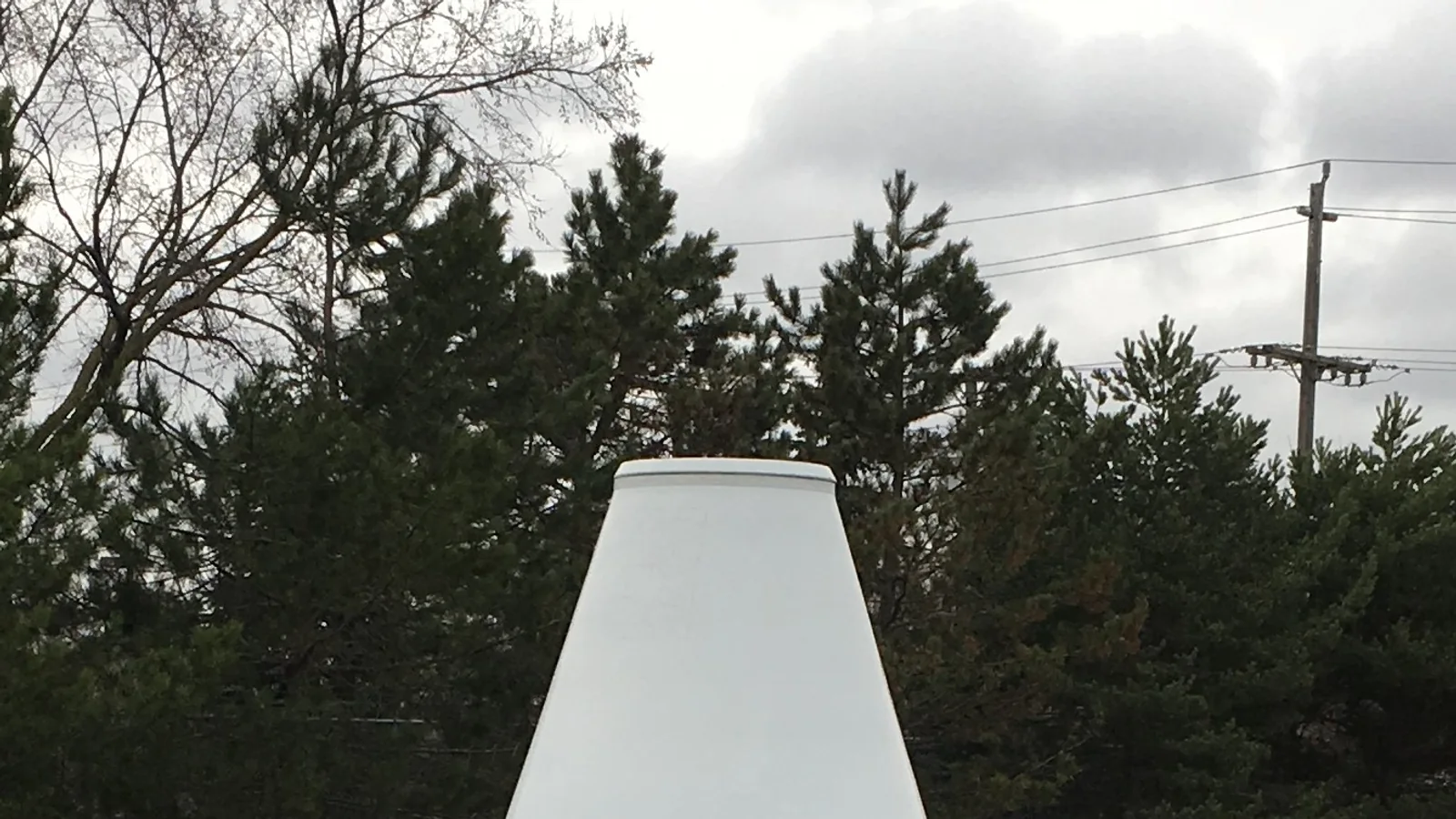
How to Measure Rainfall at Home
Measure rainfall at home by collecting precipitation in a level gauge at a documented site, reading it at a consistent time, and recording both the amount and the observation period. The number is an observatio
Photo: NOAA / National Weather Service · Public domain (U.S. government work)Read the guide →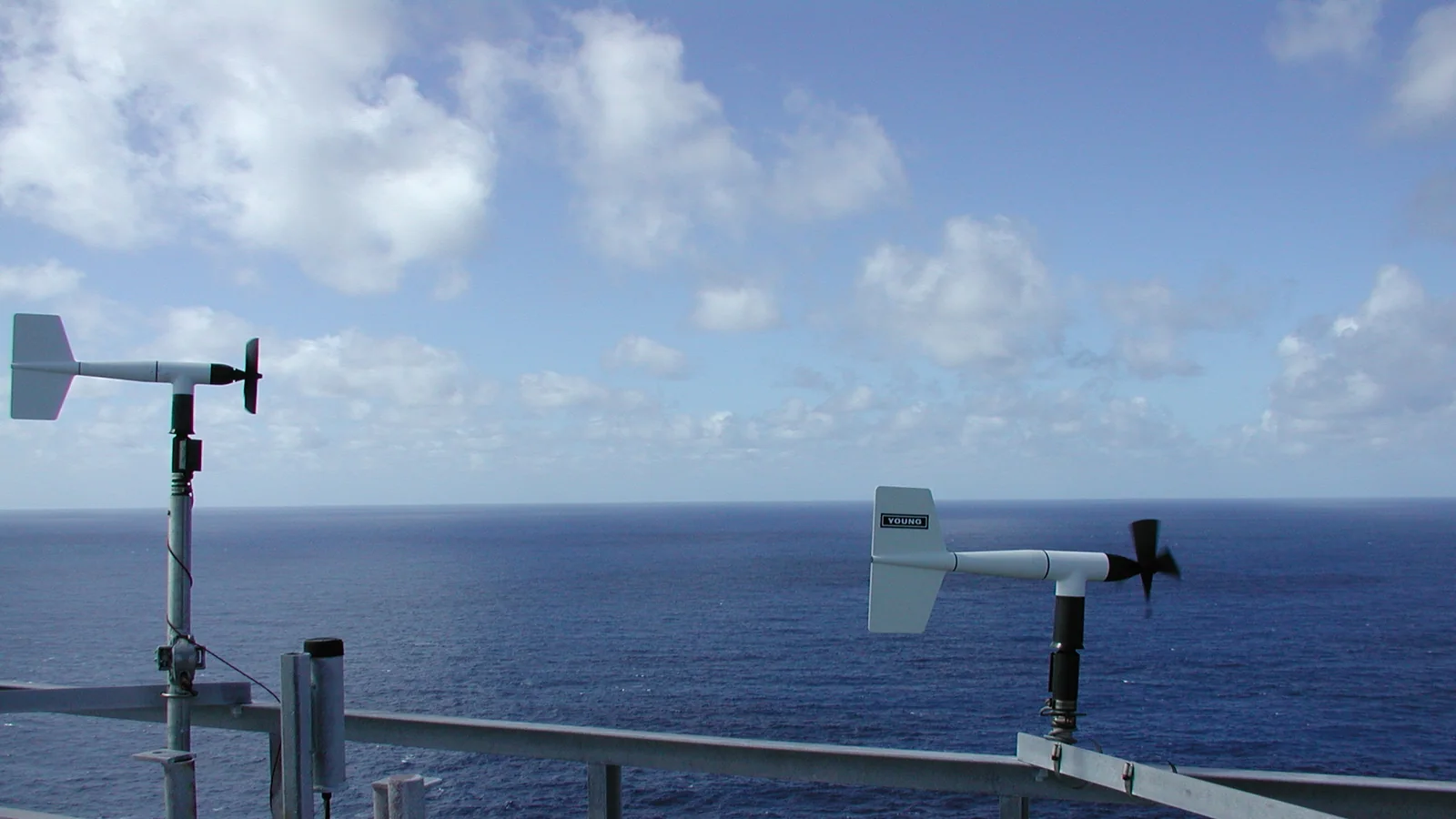
Wind Direction: What Beginners Often Record Incorrectly
Wind direction tells you where the wind comes from, not where it is going. A north wind blows from north to south; a southwesterly wind comes from the southwest and travels toward the northeast. This convention
Photo: NOAA Global Monitoring Laboratory · Public domain (U.S. government work)Read the guide →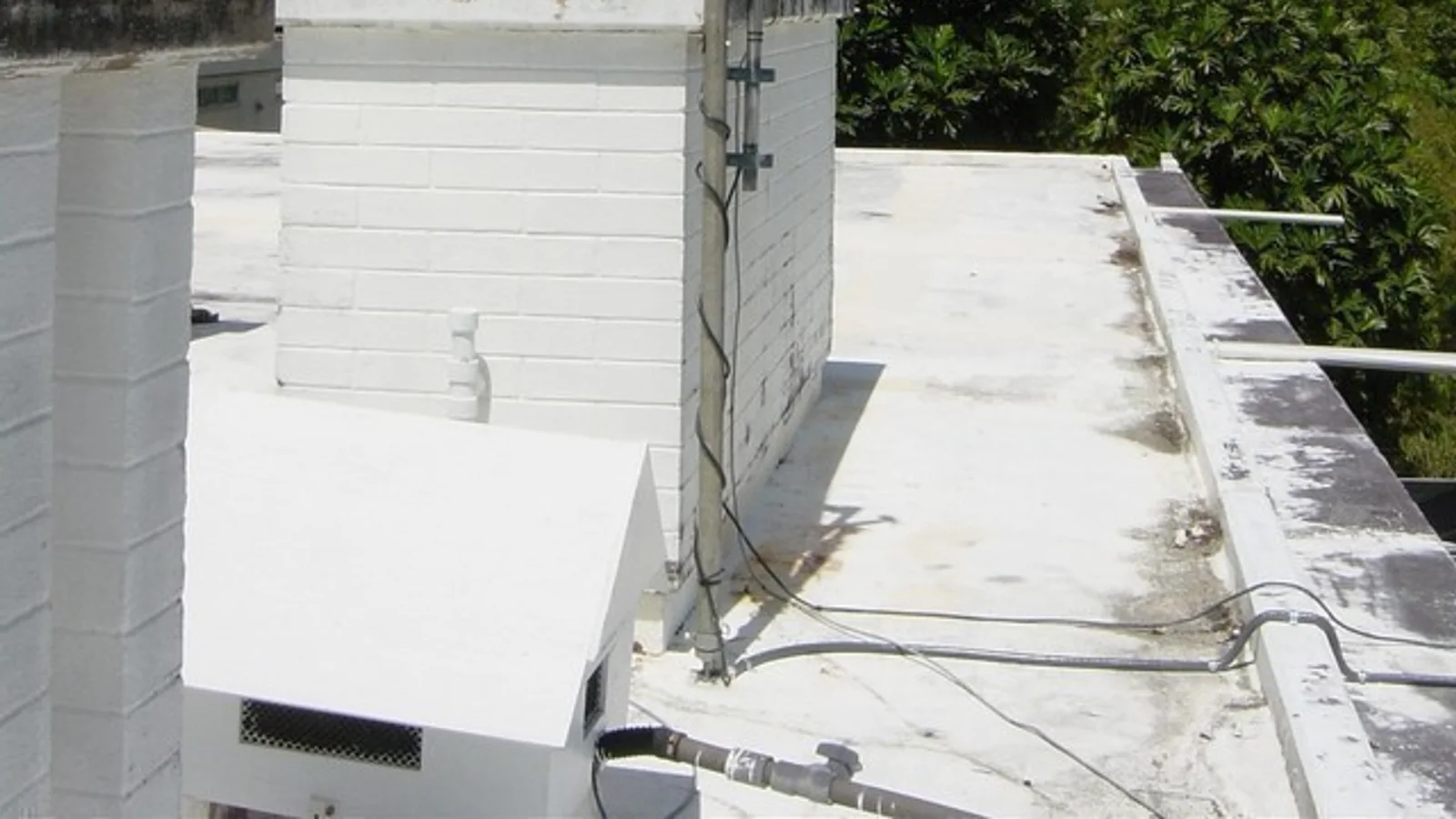
Why Wind Can Feel Different Across One Yard
Two people can stand a few metres apart and honestly describe different wind conditions. One may be beside a wall, hedge, or narrow passage; the other may be in an open patch. The difference is not automaticall
Photo: NOAA Tides & Currents · Public domain (U.S. government work)Read the guide →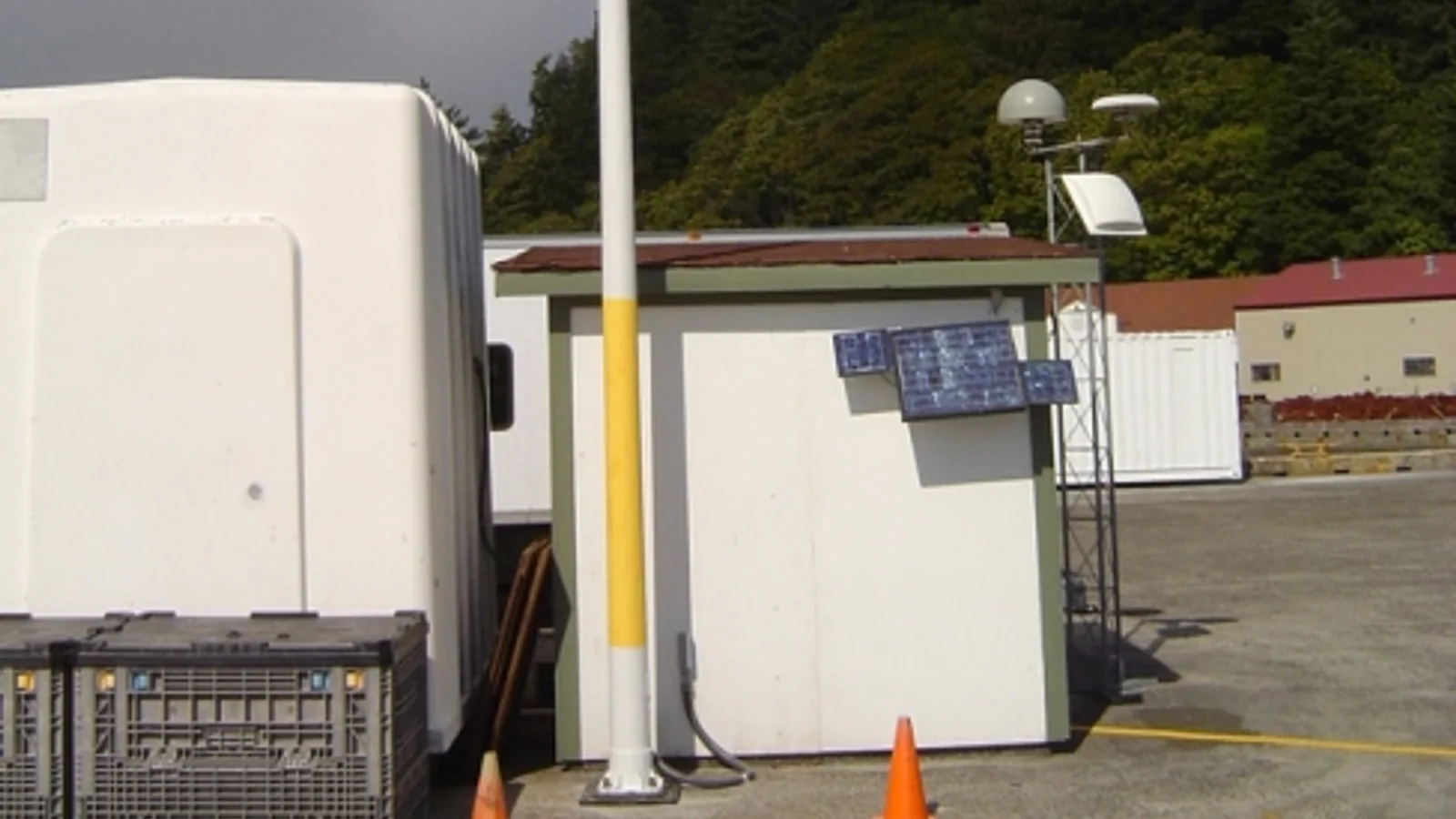
Describing Wind at Home: Observation Notes vs Wind-Speed Readings
“The trees were moving” and “the wind was 30 km/h” are not two versions of the same sentence. The first is a qualitative observation. The second is a numerical reading that needs an instrument, a time window, a
Photo: NOAA National Data Buoy Center · Public domain (U.S. government work)Read the guide →