
Describing Wind at Home: Observation Notes vs Wind-Speed Readings
“The trees were moving” and “the wind was 30 km/h” are not two versions of the same sentence. The first is a qualitative observation. The second is a numerical reading that needs an instrument, a time window, a
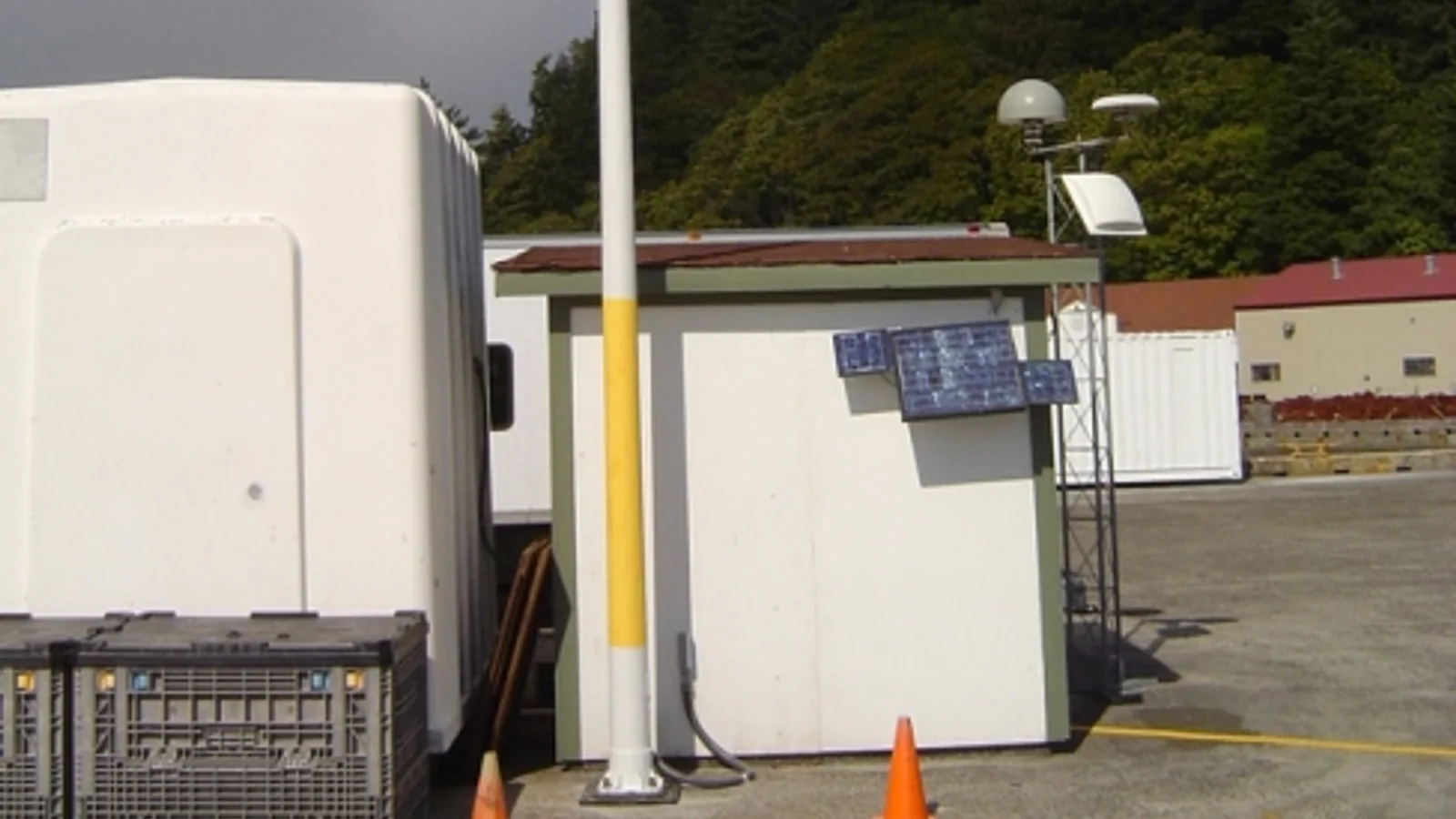
“The trees were moving” and “the wind was 30 km/h” are not two versions of the same sentence. The first is a qualitative observation. The second is a numerical reading that needs an instrument, a time window, a location, and a method. Both can be useful, but they answer different questions.
Use a description when you are documenting what was visible. Use a number only when you can identify how it was measured or clearly label it as a rough estimate. A strong home log keeps the two columns separate instead of turning a visual cue into a false measurement.
The distinction matters most when records are compared later, because a vivid cue can feel more exact than the method behind it.
What a qualitative note can say
A qualitative note names the cue, its timing, and its context. It might say:
- “Leaves on the exposed hedge moved continuously for two minutes.”
- “Smoke from the chimney drifted east, then became vertical during a lull.”
- “A flag extended briefly; the courtyard remained sheltered.”
- “No useful cue was visible from the window.”
These sentences preserve evidence without pretending that the observer has measured a speed. The National Weather Service spotter guide recommends reporting what has happened or is happening rather than what you think will happen, and says that a detailed description of moving objects or damage may be more useful than a difficult wind-speed estimate.
Include the time, place, view, and cue. “Windy today” loses all four. “17:40 local, east-facing balcony, small flag extended for about 30 seconds, building corner beside the balcony” gives a later reader something to interpret.
What a numerical reading requires
To make a home wind record easier to compare later, record:
- Instrument or method: anemometer, station display, handheld sensor, or a stated visual estimate.
- Variable: sustained speed, gust, average, or another quantity shown by the device.
- Time window: the exact timestamp or averaging period.
- Height and exposure: where the sensor was mounted and what surrounded it.
- Units: metres per second, kilometres per hour, knots, or miles per hour.
- Status: measured, estimated, unavailable, or uncertain.
The NWS guide separates measured wind speed from estimated speed and warns that estimates can be difficult and overestimated. It also asks for the event time and location when a report is submitted. That is a useful minimum for a personal record even when you are not making a formal report.
If your device only shows “wind” without the variable or averaging period, copy the display label and mark the reading as “method not verified.” Do not convert a gust into a sustained speed, or a ten-second peak into an hourly average, just to make the entry look complete.
Compare the two records side by side
The same moment can produce one qualitative record and one numerical record:
| Field | Observation note | Numerical reading |
|---|---|---|
| Time | 09:15 local | 09:15 local |
| Place | Open grass patch, flag 6 m north | Sensor on shed mast, about 2 m above roof edge |
| Evidence | Flag extended in short bursts; leaves moved continuously | Display showed 4.8 m/s; averaging period not shown |
| Status | Visible description | Device reading, method partly unknown |
| Limitation | No exact speed claimed | Exposure and averaging period not verified |
| Safe wording | “Breezy with intermittent stronger movement” | “Display read 4.8 m/s; treat as site-specific reading” |
The records do not need to agree perfectly. The flag may respond to a gust while the sensor display smooths the same event. The two positions may also be exposed differently. WMO siting guidance treats siting as part of judging how representative an observation may be; a number without its height and surroundings is harder to compare fairly.
When a rough estimate is still useful
A rough estimate can be useful if it is labelled as an estimate and the cue is preserved. The Beaufort scale is one example: the NWS Beaufort page describes it as a way to estimate wind strength from visual effects. That does not make a leaf movement an instrument reading.
If you use a rough scale, record the scale and the cue together:
> 12:05 local — visual estimate only; leaves and small branches in constant motion; sheltered by a 2 m fence on the west; no measured speed.
Avoid back-solving a precise number from one object. A small flag, a flexible tree, and a rigid sign respond differently. Even damage-based estimates can be uncertain; the NWS spotter guidance calls the Beaufort table a rough guide and notes that actual damage may occur at weaker or stronger speeds.
The instrument status is part of the record
Do not hide an unknown instrument status in a footnote. Use a short status vocabulary:
- Measured: the instrument, variable, units, time window, and location are known.
- Estimated: a visual cue or scale was used; no instrument reading is claimed.
- Displayed: a device showed a value, but the method or averaging period is not fully documented.
- Unavailable: the device was offline, blocked, or not readable.
This vocabulary helps when the same household keeps records over time. A later reader can compare measured readings with measured readings, and descriptions with descriptions, without treating them as interchangeable. It also prevents a future graph from mixing an unlabelled visual estimate with a sensor series.
A completed qualitative-versus-numeric wind log
Here is a hypothetical entry for a calm-to-breezy afternoon:
| Time | Qualitative record | Numeric record | Decision note |
|---|---|---|---|
| 15:00 | Smoke drifted north-east; leaves moved occasionally | Sensor displayed 1.2 m/s, units shown | Keep both; no exact comparison yet |
| 15:10 | Flag extended twice, then fell slack | Sensor displayed 3.9 m/s; gust/average unknown | Call the flag entry “intermittent stronger movement” |
| 15:20 | Leaves on open hedge moved steadily; courtyard still quiet | No display value; connection lost | Record the missing reading rather than interpolate |
The decision column is deliberately modest. It tells you how to store the evidence, not what the weather will do next. If the question becomes whether a route, structure, or event is safe, stop this comparison and use the relevant local official forecast or warning service.
For direction wording, use Wind Direction: What Beginners Often Record Incorrectly. For instrument plausibility, use How to Check Whether a Home Weather Station Is Measuring Well. For the way exposure changes two nearby observations, see Why Wind Can Feel Different Across One Yard.
The simplest rule is also the most durable: describe what you saw, measure only what your method supports, and carry the uncertainty with the number. That gives a personal wind log useful evidence without manufacturing precision.