
Wind Direction: What Beginners Often Record Incorrectly
Wind direction tells you where the wind comes from, not where it is going. A north wind blows from north to south; a southwesterly wind comes from the southwest and travels toward the northeast. This convention
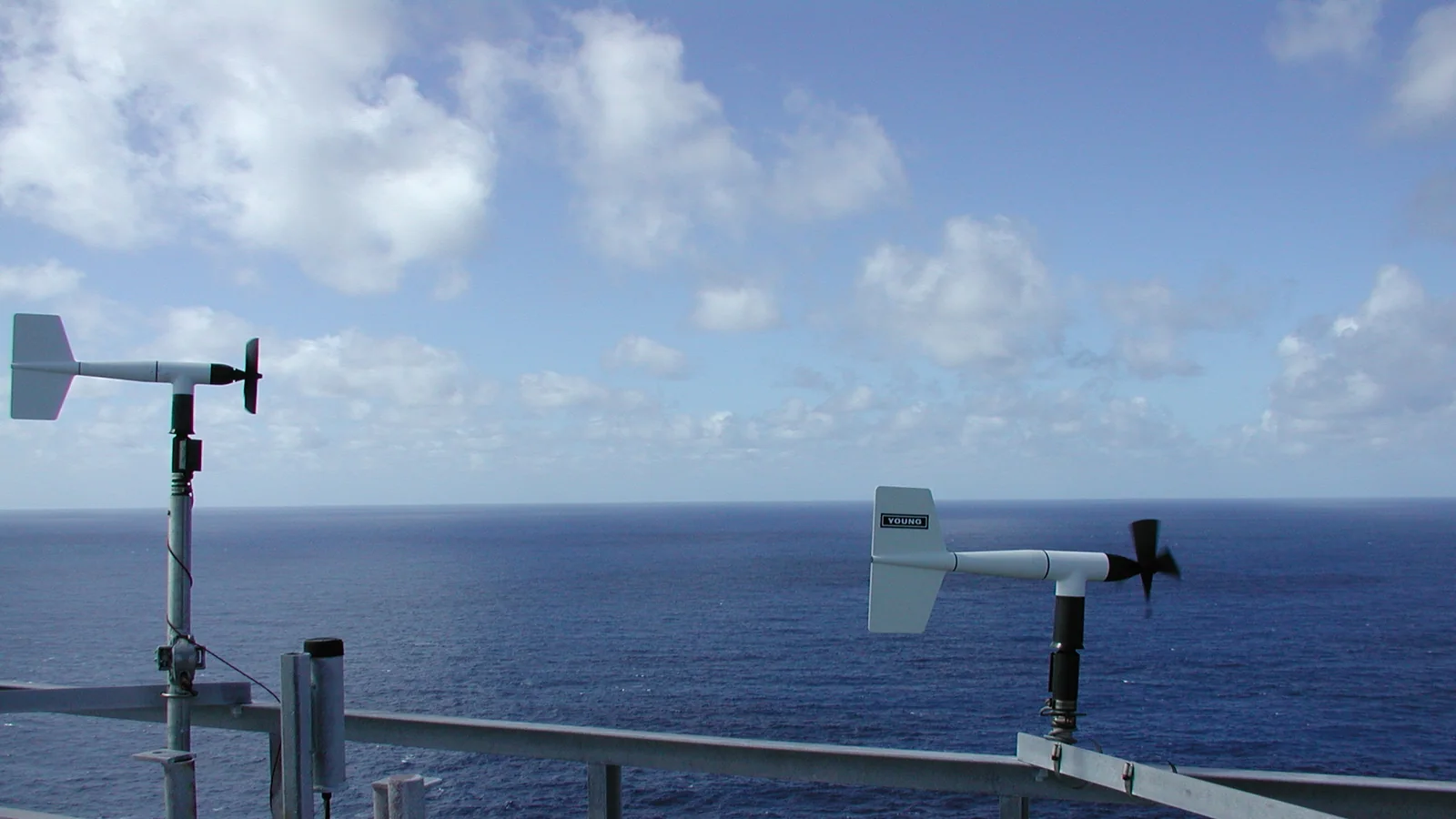
Wind direction tells you where the wind comes from, not where it is going. A north wind blows from north to south; a southwesterly wind comes from the southwest and travels toward the northeast. This convention is the most important correction for a beginner weather journal. Record what you can observe, state when nearby objects may have altered the flow, and leave direction blank or uncertain when you cannot judge it reliably.
The National Weather Service glossary defines wind direction as the direction from which wind is blowing. For planning or hazardous-weather decisions, rely on official forecasts and warnings rather than a single local wind observation.
Start with “from,” not “toward”
Stand still and notice the source of the movement: which side of you does air reach first? If a breeze reaches your face while you look north, it may be coming from north. Confirm with a flag, smoke only where it is safe and lawful, moving leaves, or a fixed wind vane. Then record “wind from north,” “northerly,” or “N.”
Do not write “wind to the south” unless your journal explicitly uses a different vector convention and explains it. In ordinary meteorological reporting, that phrase reverses the meaning readers expect.
Use one completed compass example
Suppose a wind vane points toward the northwest end of its axis, meaning the vane’s tail is downwind and its pointer faces the incoming air. The wind is from the northwest. A clear journal entry is: “10:15 local time: light northwesterly wind, judged from vane; leaves moving intermittently.”
The same air is travelling toward the southeast, but “southeasterly wind” would be wrong in a conventional weather record. Add both directions only when teaching yourself: “from northwest, moving toward southeast.” In normal entries, retain the “from” direction.
Separate direction from speed and gusts
Direction, sustained movement, and brief gusts are different observations. “Windy” does not specify direction. “North wind” does not specify speed. A useful beginner note can combine them without inventing precision: “Light wind from west; short stronger gusts moved small branches.”
If you have no calibrated anemometer, avoid converting what you feel into an exact speed. Use a consistent descriptive scale instead: calm, light, moderate, or strong, with one observable cue for each entry. Consistency makes your own records comparable; it does not turn a backyard estimate into an official station measurement.
Notice local obstruction
Fences, walls, trees, balconies, and buildings can channel, block, or swirl wind. The National Weather Service’s cooperative-observer guidance calls for wind measurements in an unsheltered area because obstructions disturb direction and speed. Your garden may not have such an area. That is fine if the note says what it represents.
Write: “Apparent wind from southwest at patio; hedge to west may shelter site.” Do not write: “Southwesterly wind across the neighbourhood.” The first is a documented local observation; the second makes a claim beyond the site.
Handle calm and variable conditions honestly
When air movement is too slight to identify a direction, record “calm” or “direction not determined,” depending on what you observed. Do not choose the direction shown by a nearby tree if its leaves are moving from residual motion while the air at your observing point feels still.
When direction swings repeatedly, record the range rather than a false single answer: “Light and variable, roughly west through north.” Include the observation period: a direction sampled for ten seconds and a direction watched for ten minutes are not equivalent.
Do not confuse a compass with a wind observation
A phone compass can tell you the direction you are facing; it cannot tell you where the air comes from. First establish the incoming direction with a safe visible indicator, then use a compass to name that direction. If the phone is near metal railings, a vehicle, or another source of interference, note that the bearing is approximate.
The same caution applies to online weather maps. A map may show a modelled or station-based wind for a broader area and stated height, while your record describes air movement at a particular exposed point. Keep the two records separate. You may compare them later only after writing the time, units or description, and site context.
Review mistakes without hiding them
If you discover that you reversed a direction, preserve the original entry and add a correction: “Review on 18 May: ‘southeasterly’ was recorded using travel direction; corrected interpretation is wind from northwest.” This turns an error into a useful learning record.
After a week, scan for entries that lack a time, method, or obstruction note. Do not calculate a prevailing wind from a handful of casual observations. Instead, improve the next entry by watching for a little longer or choosing a less sheltered viewpoint. The purpose is a more honest local log, not a substitute for an official wind observation.
Use a short field routine
At one fixed location, note the time and look for a safe indicator. Watch for at least a brief interval, write the source direction, then add the strength description and obstructions. A completed entry could be: “18:40, open path near garden gate. Light wind from east, based on grass movement and face sensation; direction varied briefly toward northeast. Fence south of site; no instrument used.”
This record is useful because it states method and uncertainty. It does not claim a regional prevailing wind, certify an anemometer, or predict tomorrow’s weather. Repeat the same routine in the same place, and your journal can reveal how that particular exposure behaves.