Make weather observations count.
See how shared methods, clear timing, and site context can turn personal weather notes into observations that other people can interpret.
Browse all guides →
Guides in this section
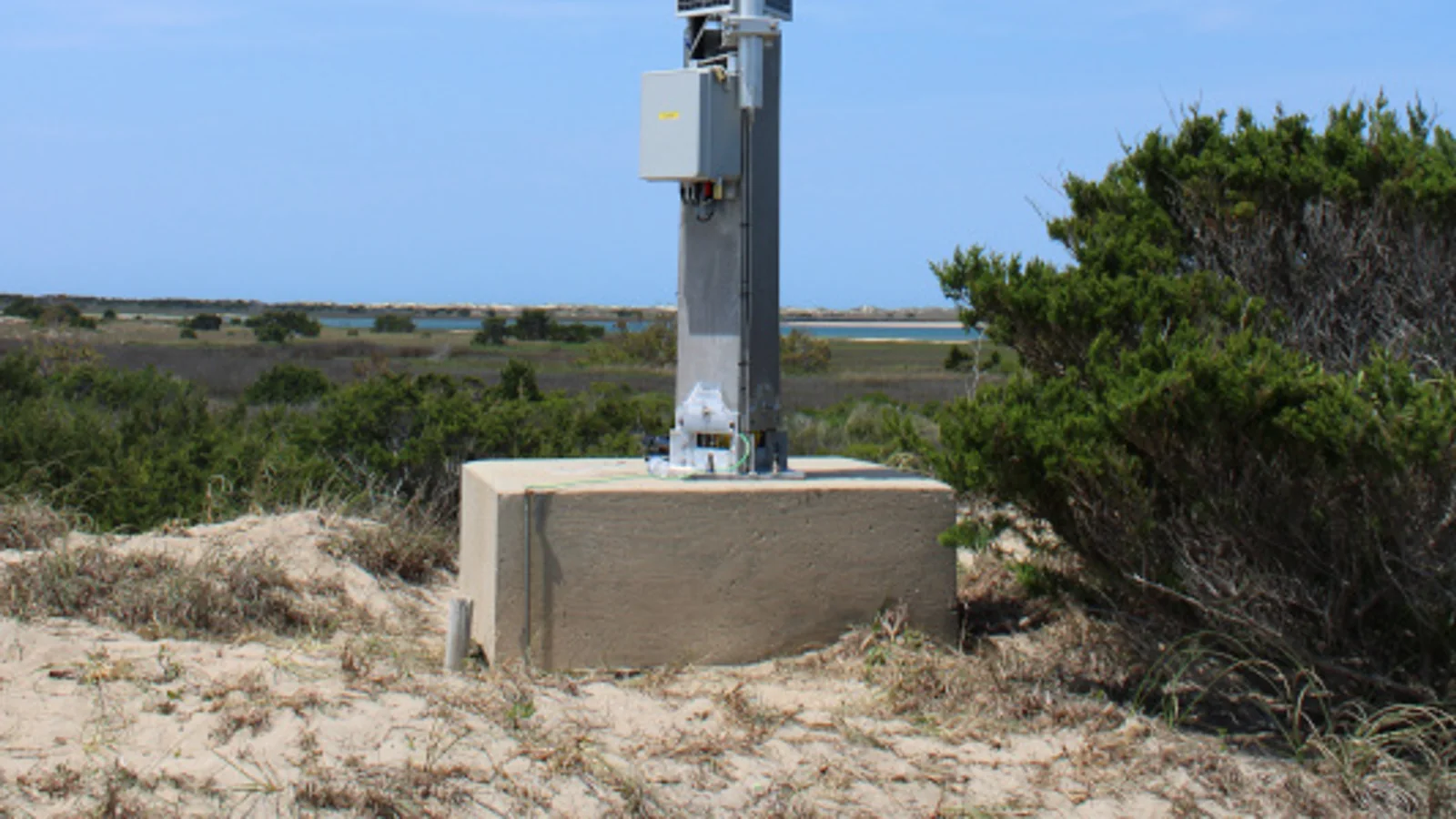
How Citizen Weather Reports Support Meteorology
Citizen weather reports are most useful when they are structured: observers use a shared method, record a defined time and place, receive training, and submit enough context for someone else to interpret the me
Photo: NOAA National Data Buoy Center · Public domain (U.S. government work)Read the guide →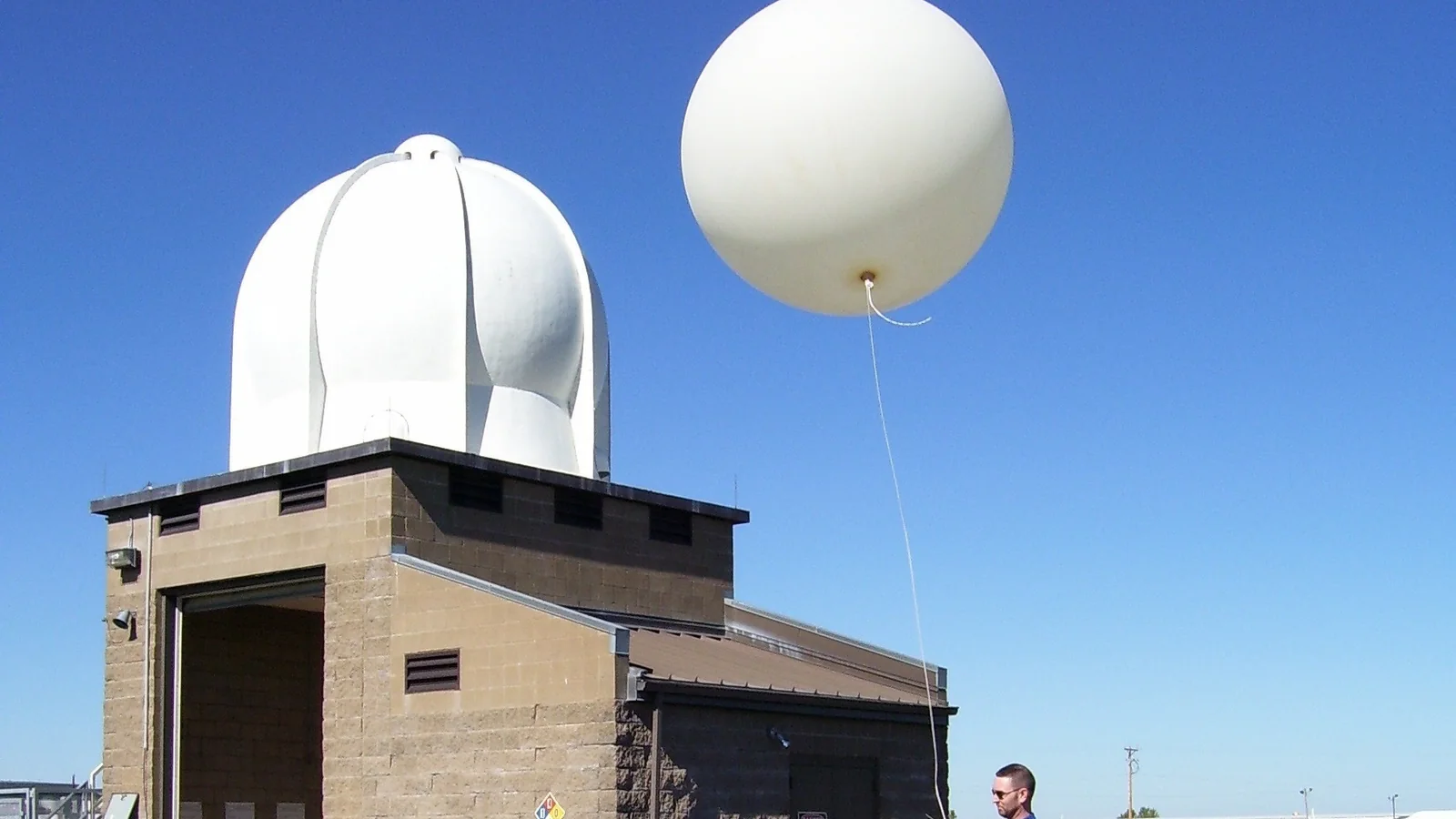
A Private Weather Journal or a Citizen-Science Report? Choose the Right Record
Choose the record by its purpose. Keep a **private journal** when you want to remember and compare conditions around you. Prepare a **citizen-science report** when you are willing to follow a named programme’s
Photo: NOAA · Public domain (U.S. government work)Read the guide →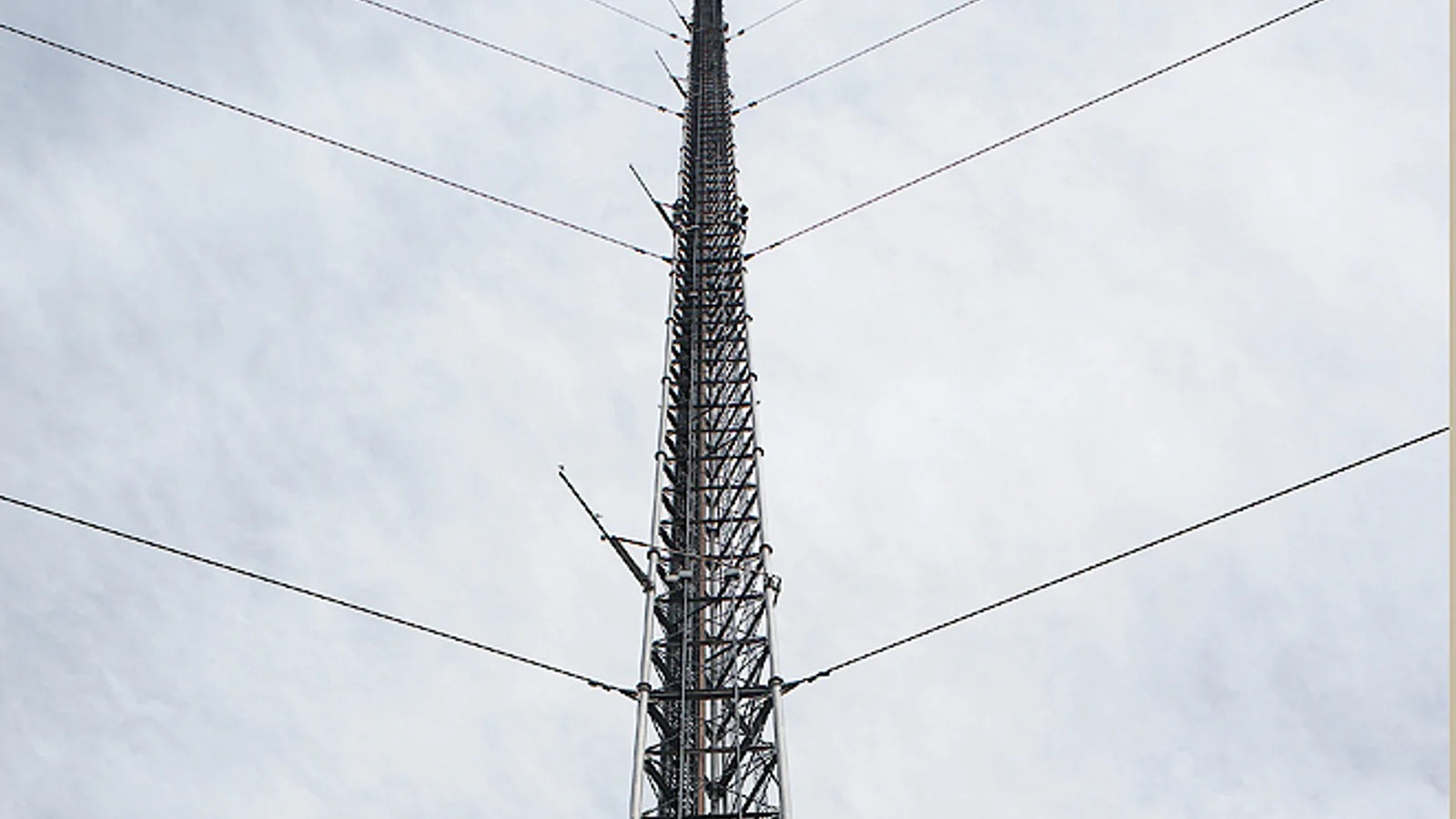
How to Prepare a Consistent Weather Observation for a Citizen-Science Project
Prepare the parts that are useful everywhere—time, place, method, value, and uncertainty—then leave the project-specific parts blank until you check the named programme’s current instructions. That sequence giv
Photo: Shelby Frisch / NOAA Physical Sciences Laboratory · Public domain (U.S. government work)Read the guide →