
What Makes a Useful Cloud Observation?
A useful cloud observation is more than a cloud name. It records when you looked, where you were, which part of the sky you could see, how much cloud was present, what form it appeared to have, how it changed,
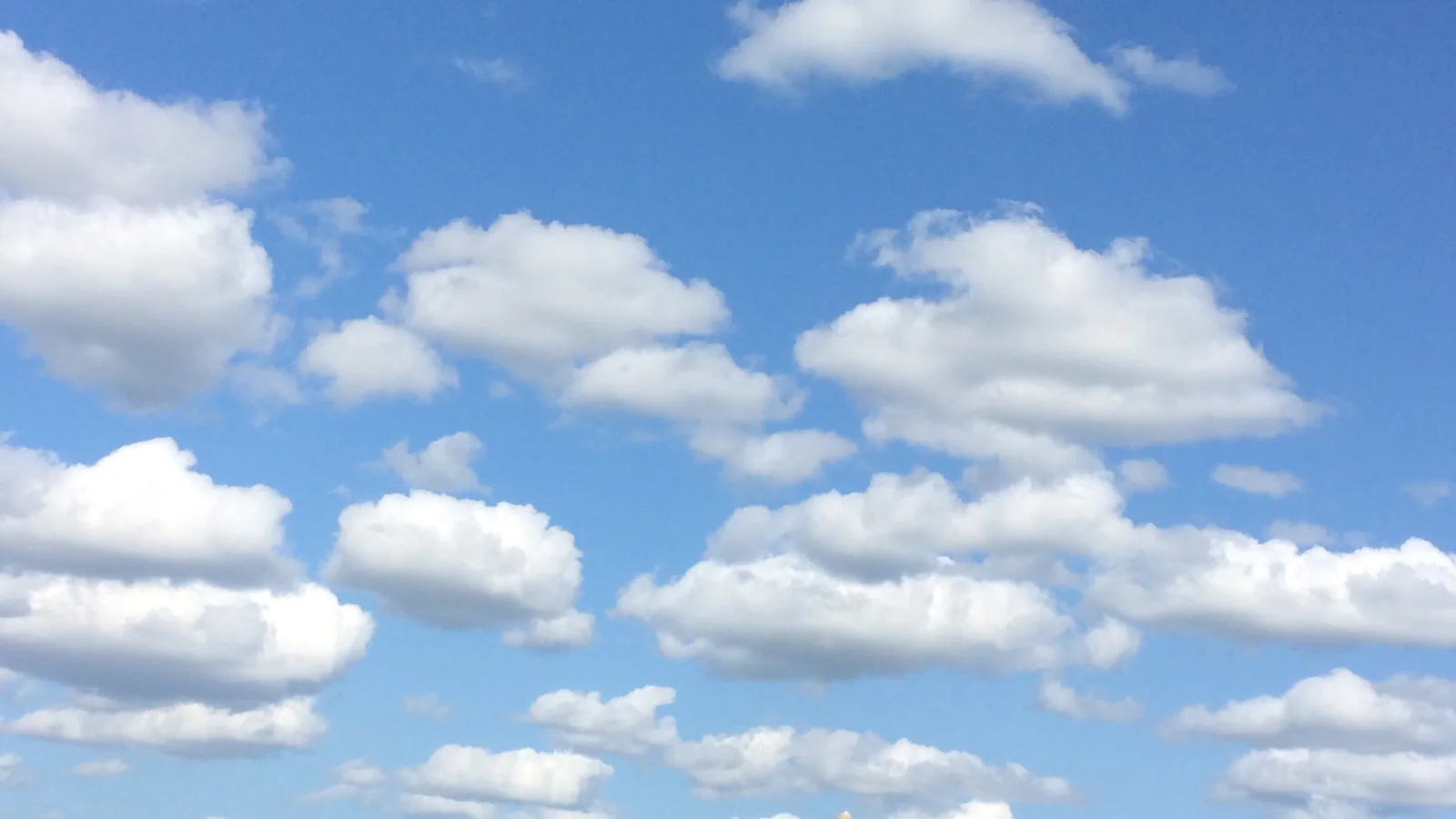
A useful cloud observation is more than a cloud name. It records when you looked, where you were, which part of the sky you could see, how much cloud was present, what form it appeared to have, how it changed, and what you could not determine. A short, honest description can be more valuable than a confident label without context.
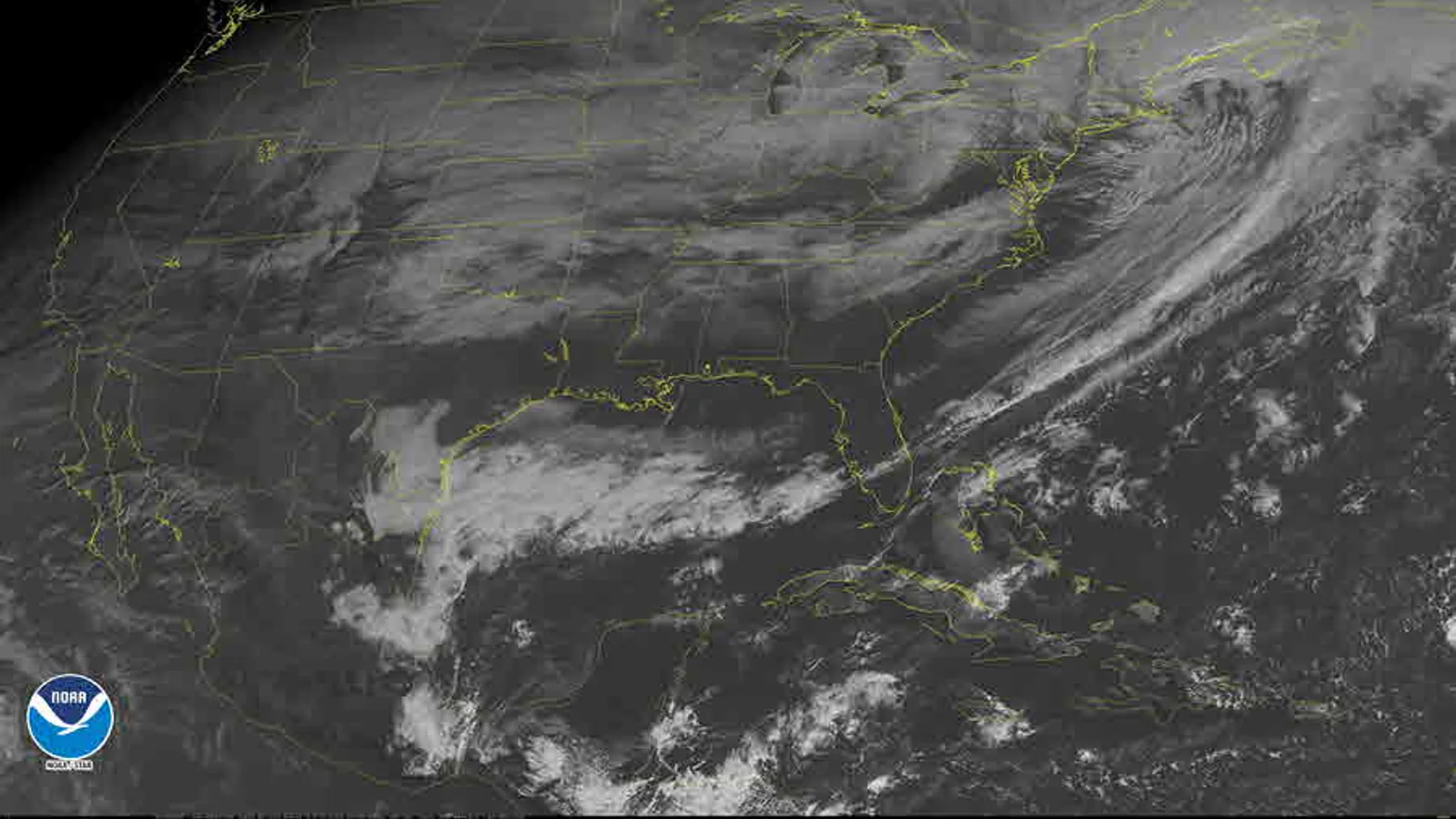
Start with time and place
Write local date and time first. Add the observing place in a way that explains the view: “school courtyard, looking west,” “balcony, southern horizon blocked,” or “open path beside a field.” The same cloud may look different from a narrow window and an open hill.
If you take a photograph, keep its direction and time. A picture without context may show shape but not wind, recent precipitation, or the hidden part of the sky.
Describe coverage and form
Record approximate sky coverage in plain language: a few patches, about half, most of the sky, or overcast. Then describe the dominant form before naming it. Is it a continuous layer, separate rounded elements, thin filaments, or a growing tower? The WMO International Cloud Atlas groups characteristic cloud forms into genera, species and varieties, but a beginner does not need to force the most detailed category.
Write two visible clues that support a provisional name. “Joined rounded patches with blue gaps” is stronger than “stratocumulus” alone. If the clues conflict, write “identification uncertain.”
Record change, not just a snapshot
Clouds evolve. Add the direction of change and the interval: “At 14:00, scattered patches; by 15:00, patches joined across the western half.” State whether the change is in coverage, texture, height appearance, brightness, or vertical growth. Do not turn the change into an automatic prediction.
Include what limits the view
Trees, buildings, haze, low Sun, rain and darkness can make cloud identification harder. Record those conditions. “Lower horizon blocked by buildings” explains why your estimate may apply only to the visible sector. “Sun behind cloud” explains why a base looked darker.
Complete example
> 18 May, 08:10 local time — open path, looking southwest. About half the sky covered by joined grey-white rounded patches with visible blue gaps. No tall vertical towers. Likely stratocumulus; moderate confidence. Western edge becoming more continuous over ten minutes. No rain observed. Horizon clear except for a line of trees.
This note gives a reader time, location, direction, amount, form, confidence, change and precipitation. It does not claim that the cloud type predicts the afternoon.
Review the note later
At the end of the day, compare the note with a later view or photograph. Did the cloud change as described? Was the direction clear? Did you preserve uncertainty? A later correction should be dated rather than silently replacing the first entry.
The goal is a record that another observer—or your future self—can understand without asking what “interesting clouds” meant. Useful observations are specific, repeatable and honest about their limits.
Avoid common shortcuts
Do not use a single cloud name as a substitute for a description. Do not write “storm cloud” when you have only seen a dark base; record the base, vertical growth, precipitation and any thunder separately. Do not infer cloud height from apparent size alone. Perspective, distance and a blocked horizon can mislead.
Do not delete an observation because the classification later changed. Add a review note: “Initial label uncertain; after comparing the visible rounded elements, likely stratocumulus.” This keeps the learning process visible and prevents hindsight from becoming a false record of certainty.
Use the note for a real question
A useful observation answers a question such as: did coverage increase after midday; did the same viewpoint show a repeating layer; or did a cloud field change direction while wind indicators changed? Add only the fields needed for that question. A small consistent record is easier to compare than a long form filled once and abandoned.
Keep a compact field set
For a repeatable beginner entry, use eight fields: local time, observing place, viewing direction, visible coverage, dominant form, two supporting features, change since the previous note, and uncertainty or obstruction. Add precipitation only when you actually observed it. Add temperature or wind only with the instrument or method used.
Here is a second example: “21 May, 16:20, apartment courtyard looking north; three-quarters covered by a flat grey layer; lower edge uneven, no separate heaps; coverage increased from half an hour earlier; haze along the eastern horizon; likely stratus, low confidence; no rain observed.” The phrase “low confidence” is not an apology. It tells the future reader how much weight to place on the label.
If two people observe together, ask each to write independently before comparing notes. Agreement on broad features can be useful; disagreement on a genus reveals which visible clue needs a closer look. Do not edit one record to match the other. Keep both names and the shared description.
Separate observation from meaning
You may add a cautious interpretation, but label it as such: “The layer may be associated with a larger weather system; checked official forecast.” Do not hide a forecast inside a cloud note. A useful observation remains useful even when the later weather differs from what you expected.
That is the point of the journal: preserve evidence before hindsight changes the story. It lets later readers distinguish what was visible, what was inferred, and what remained unknown at the time.